5 Play-Based Activities to Boost Toddler Vocabulary
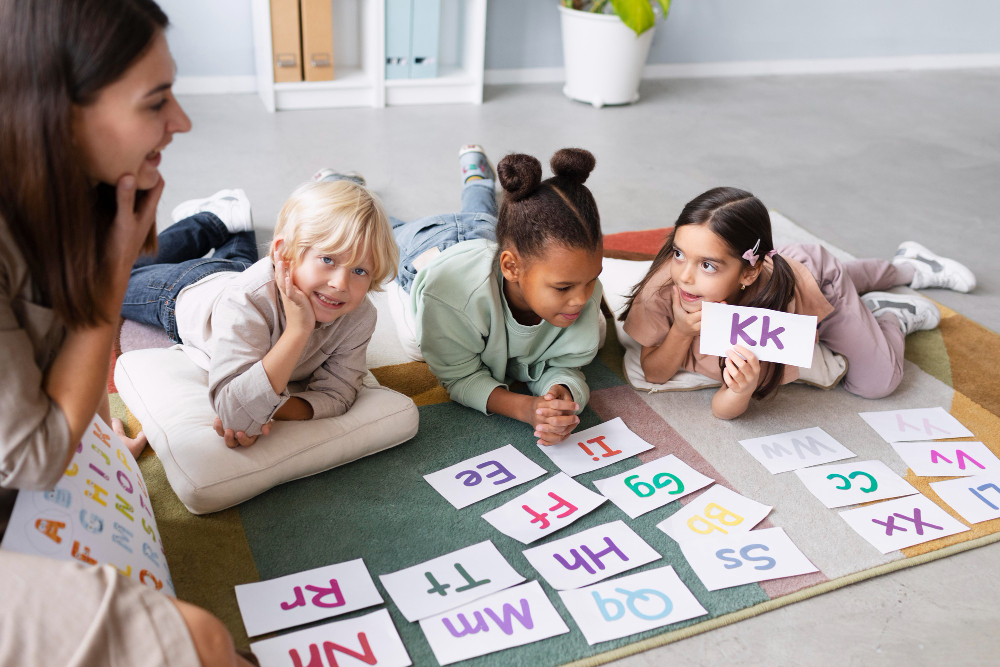
As parents, caregivers, and early supporters, one of the greatest joys we experience is watching toddlers learn to communicate. Hearing their first words, watching them label their world, and seeing their confidence grow with every new phrase can feel magical. Yet, it’s also very common to worry if speech and language development seems “slow,” inconsistent, or delayed.
If you’ve ever wondered whether your toddler is learning words “quickly enough,” or if there’s something more you could be doing at home, please know: you are not alone. Many parents share these same questions—and the good news is that there are simple, playful strategies that can support vocabulary development in everyday routines.
Today’s post will walk you through five fun, play-based activities you can start using right away to help build early language skills—without pressure, worksheets, or long drills. Just connection, play, and meaningful communication.
Why Vocabulary Matters Early On
Vocabulary is more than just learning “words.” It is the foundation for:
- Expressing needs and feelings
- Understanding language
- Following instructions
- Future reading, comprehension, and learning
The toddler years (especially ages 18 months–3 years) are a key window of development. During this time, children learn language best through meaningful interactions—not flashcards or memorization, but real-life conversations and play.
5 Play-Based Activities to Help Build Vocabulary
1️⃣ Name What You See (Narration Technique)
Instead of asking questions like “What’s this?”, try describing what your child is seeing or doing.
Example:
If your toddler is stacking blocks, you might say:
“You’re building a tall tower! Yellow block… blue block… up, up, up!”
Why it works:
This removes pressure and gives language models in context.
2️⃣ Use Repetition + Expansion
If your toddler says one word, you turn it into a small phrase.
Child: “Car.”
Adult: “Yes! Big car!” or “Car is going fast!”
Why it works:
Children learn from hearing slightly longer sentences than the ones they already use.
3️⃣ Create Fun Word Play Routines
Turn everyday tasks into predictable language moments.
Examples:
🛁 Bath time → “Wash… rinse… splash!”
🚗 Car ride → “Go! Stop! Beep!”
🍎 Snack time → “More apple please.”
Why it works:
Routine language becomes easier to remember and repeat.
4️⃣ Follow Their Lead
Instead of directing play, join what your toddler is already interested in.
If they’re playing with animals, narrate the theme:
“Cow says moo. Sheep says baa. Lion roars!”
Why it works:
Children learn best when they feel engaged—not directed.
5️⃣ Read Together Every Day
Choose short, simple books with repeated phrases and pictures.
Tip: Pause before finishing a repeated line to encourage participation.
Example:
“If you’re happy and you know it… ______.”
Why it works:
Books expose children to words they may not hear in everyday conversation.
It’s Okay to Have Questions
As caregivers, it’s natural to compare your child to their peers or siblings. You may feel worried or wonder if you’re doing enough. Please remember:
📌 Every child develops at their own pace.
📌 Late talking does not automatically mean a disorder.
📌 Early support—when needed—helps children thrive.
You’re already doing something powerful: paying attention and seeking guidance.
When Should You Consider Professional Support?
You may benefit from a consultation if:
- Your child uses fewer than 20 words by age 18 months
- Your child uses fewer than 50 words or doesn’t combine words by age 2
- You notice frustration during communication
- Speech is difficult for others to understand
A professional assessment can provide clarity, personalized strategies, and support tailored to your child’s needs.
You Don’t Have to Navigate This Alone
If you’d like support, guidance, or reassurance, we’re here to help. A simple conversation can be the first step toward understanding your child’s communication needs and supporting their growth.